


Is a Commercial Deck Oven Worth It for a Pizzeria?
Last Updated: November 14, 2026
Quick Summary
A commercial deck oven is worth it if you run a craft-focused shop with skilled staff, because it delivers superior crust control that a conveyor cannot match. It is not worth it for high-volume operations with high staff turnover, where a conveyor's push-button consistency wins.
- Deck ovens are more labor-intensive and harder to run than automated alternatives, per the Foodservice Equipment & Supplies equipment guide.
- A commercial electric pizza oven gives direct stone contact and controllable top and bottom heat.
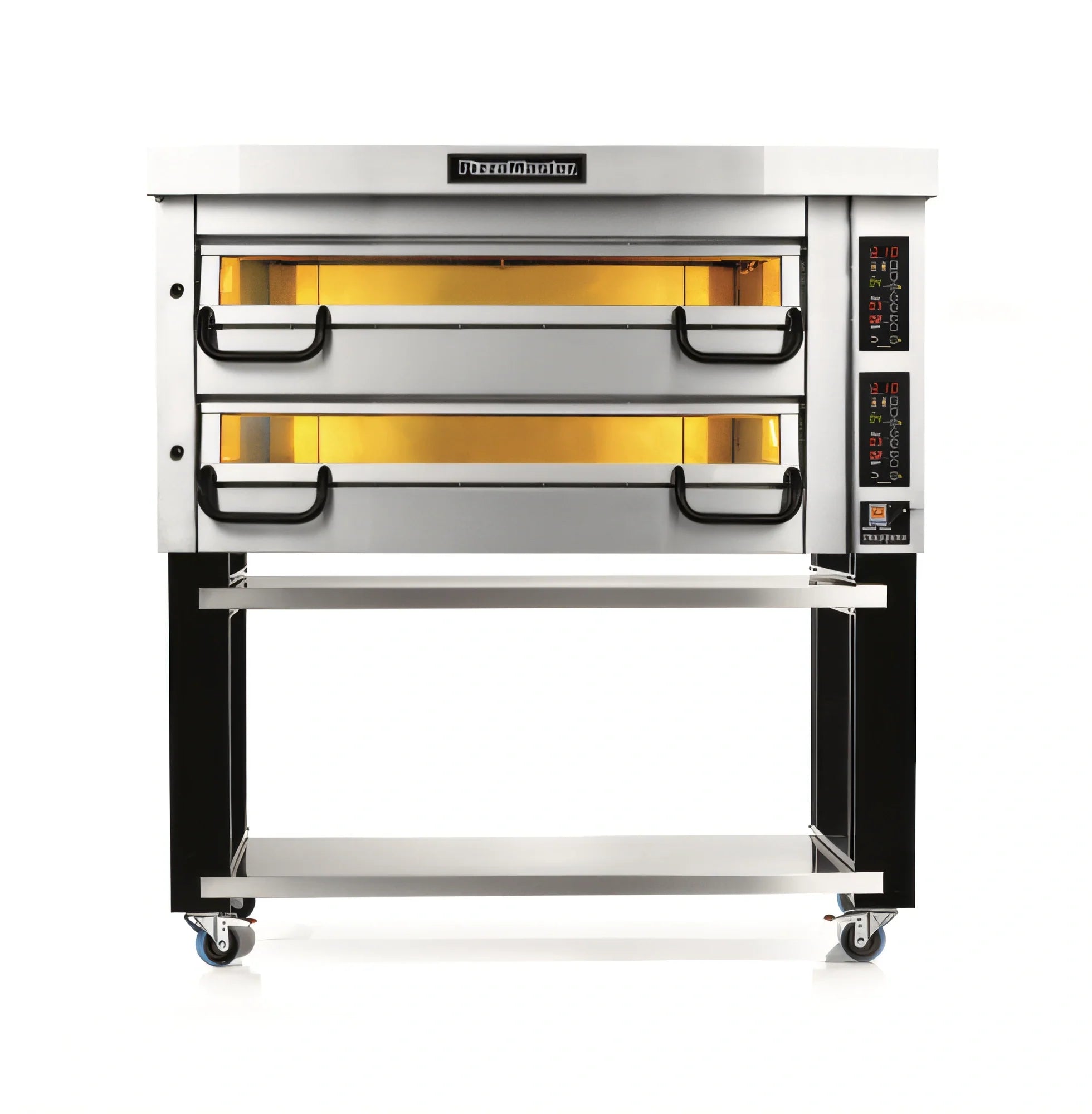
- The PizzaMaster PM 842ED runs ceramic clay stones across a 64.6 x 32.3-inch surface up to 932°F with three heat zones per deck.
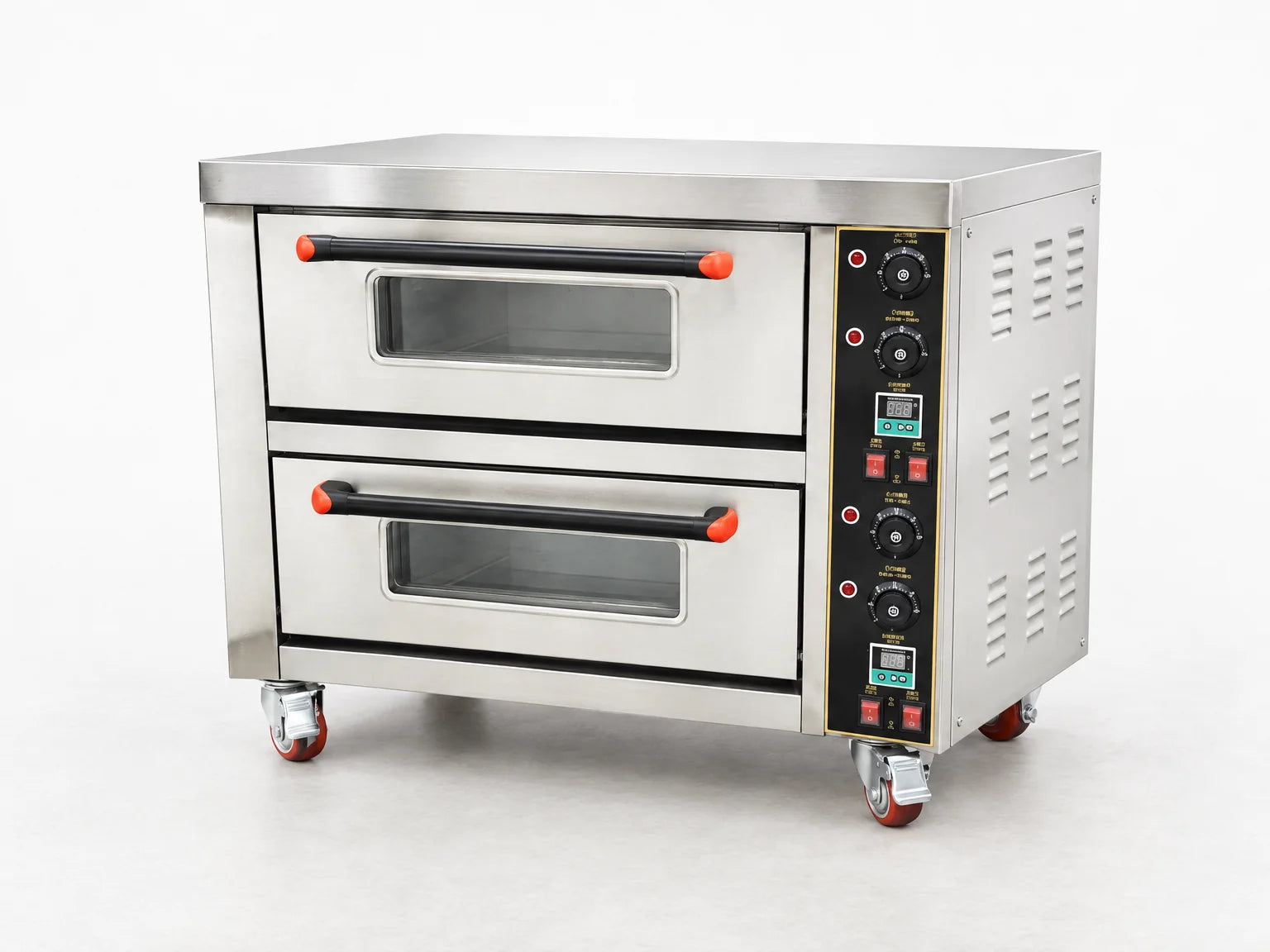
- A double deck setup lets you run different temperatures on each independent deck.
- Buying a deck oven for a fixed-menu shop with teenage staff often ends in burnt bottoms and a conveyor purchase a year later.
Table of Contents
- The Real Cost of a Commercial Pizza Oven: Deck vs. Conveyor
- Why the Best Commercial Electric Pizza Oven Wins on Bake Quality
- Double Deck Pizza Oven Commercial Output: Throughput and Labor Reality
- Frequently Asked Questions
The Real Cost of a Commercial Pizza Oven: Deck vs. Conveyor
The question of whether a commercial deck oven is worth it for a pizzeria usually comes down to one number, and it is not the sticker price. Operators often fixate on the purchase cost while overlooking the two expenses that decide profitability: labor hours per pizza and energy per bake. For a closer look at the energy side, see these insulation mistakes that waste energy.
A deck oven asks for a skilled hand. Loading, rotating, and monitoring pies takes attention that a conveyor does not. If your volume is steady and your staff turnover is high, a conveyor's push-button consistency may beat a deck's craft every time.
Foodservice Equipment & Supplies equipment guide notes that deck ovens can be more labor-intensive and harder to run than automated alternatives. That trade-off is the whole decision in one sentence.
Here is the framework we use with operators weighing a commercial pizza oven purchase:
| Factor | Deck Oven | Conveyor Oven |
|---|---|---|
| Labor per bake | High, needs a skilled operator | Low, load and forget |
| Bake quality | Superior crust control | Consistent but uniform |
| Energy waste | Insulation-dependent | Higher duty cycle |
| Best for | Craft-focused shops | High-volume standardization |
Watch out: buying a deck oven for a shop that runs on teenage staff and a fixed menu often ends in burnt bottoms and a conveyor purchase a year later.
Why the Best Commercial Electric Pizza Oven Wins on Bake Quality
Bake quality is where a deck oven earns its keep. A commercial electric pizza oven can give you direct stone contact and controllable top and bottom heat.
For operators who want a serious electric deck, the PizzaMaster PM 842ED two-deck electric pizza deck oven runs ceramic clay stones across a 64.6 x 32.3-inch surface up to 932°F, with three heat zones per deck and TempIQ Recovery.
Double Deck Pizza Oven Commercial Output: Throughput and Labor Reality
A double deck pizza oven commercial setup is the throughput answer for deck operators. Two independent decks let you run different temperatures. Our 6400W double-deck electric oven offers independent layer control so each deck runs on its own settings.
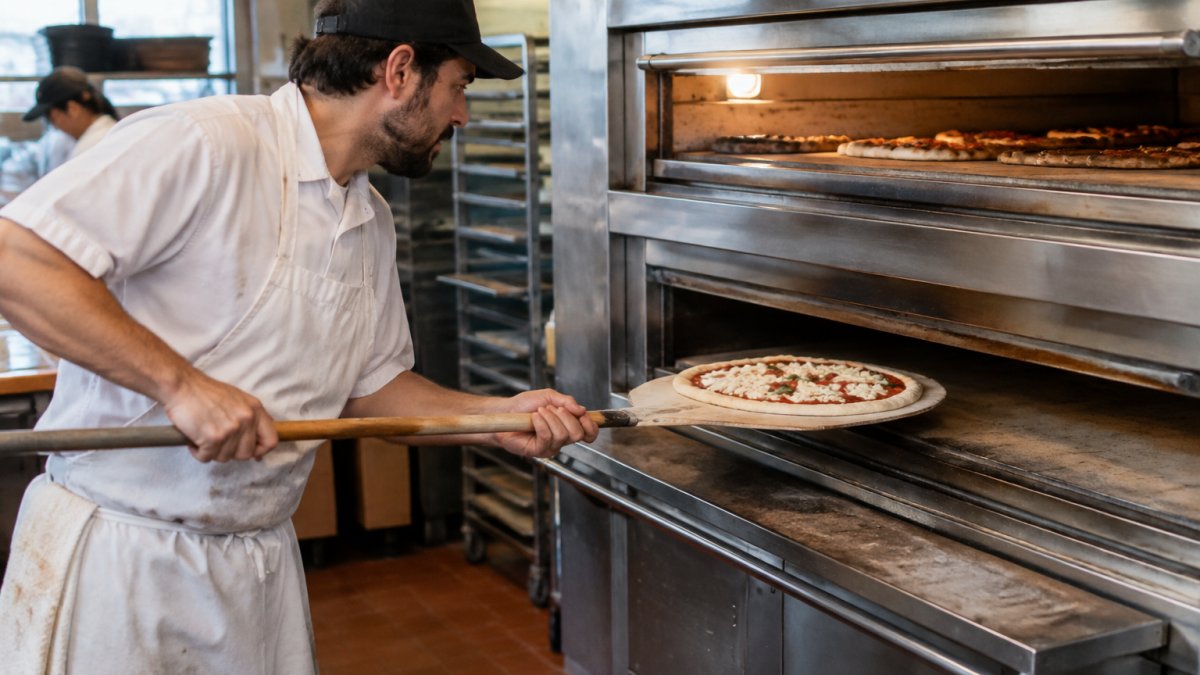
Throughput still depends on the operator. Managing oven temperature during the dinner rush is a skill, and our guide to oven temperature during the dinner rush covers how to hold heat as orders stack up.
The deck oven decision is a business decision, not an equipment one. If your model rewards craft and your team can run it, a deck pays back in crust quality and customer loyalty. Crestoven builds equipment for exactly that operator: independently owned, with independent dual decks, 6,400W heating power, free shipping on most orders within the continental U.S., and 30-day returns. Get started with Crestoven and put a deck that holds heat to work in your kitchen.
Frequently Asked Questions
What are the disadvantages of a commercial deck oven?
The main drawbacks are labor and skill demands. Deck ovens require manual loading, rotating, and monitoring, which means a trained operator must stay at the oven through service. They also need longer preheat times and careful temperature recovery management between bakes. For high-volume, standardized operations that want minimal staff involvement, a conveyor oven can be a better fit. Deck ovens reward kitchens that have skilled staff and a menu built around hand-crafted, high-hydration dough.
How many pizzas can a commercial deck oven cook at once?
Capacity depends on deck size and pizza diameter. The PizzaMaster PM 842ED, for example, has a 64.6 x 32.3-inch baking surface across two decks with four ceramic clay stones, and each deck fits up to 8 16-inch pizzas. Match the stated capacity to your peak-hour volume, not your average, so the oven keeps up during the dinner rush.
Is a deck oven or conveyor oven better for a pizzeria?
A deck oven suits pizzerias selling Neapolitan, New York, or artisan pies where crust profile and char matter, and where staff can manage manual baking. A commercial pizza oven conveyor suits slice shops and delivery operations that need consistent, hands-off output at high volume with less training. Neither is universally better. The decision comes down to your menu, your labor model, and whether your peak throughput depends on speed or on bake quality.


